You spend roughly a third of your life in bed. That’s a lot of hours in direct contact with one piece of fabric — and yet, bedsheets are often the last thing people think about when furnishing a home. We’ll happily spend weeks picking out a sofa, then grab whatever bedsheet is on sale at the end of an aisle.
Here’s the thing: the right bedsheet changes how well you sleep, how your bedroom looks, and how often you need to replace it. The wrong one pills after four washes, feels scratchy in summer, and never quite fits the mattress properly.
This guide walks you through everything that actually matters when buying a bedsheet — fabric, size, weave, care, and how to make it all look good together.
A bedsheet touches your skin for seven or eight hours a night. If it traps heat, you wake up sweating. If the fabric is rough, it irritates sensitive skin. If the fitted corners are shallow, you’ll be tucking it back in every other morning.
Good bedsheets solve all of that quietly. They regulate temperature, feel soft without being slippery, and stay put. And because a bed is the visual centrepiece of most bedrooms, the right print or colour can pull an entire room together without you buying a single new piece of furniture.
If you’re ready to upgrade, our full range of Bedsheets covers everything from subtle solids to bold printed designs.
Fabric is the single biggest factor in how a bedsheet feels and how long it lasts. Here’s what you’re likely to encounter:
Cotton is the safest bet for most homes. It’s breathable, absorbent, gets softer with each wash, and handles Indian summers well. Pure cotton sheets are ideal if you sleep warm or live somewhere humid.
Cotton blends mix cotton with polyester or other fibres. They wrinkle less, dry faster, and usually cost less — a practical choice for guest rooms, kids’ rooms, or anyone who dislikes ironing.
Microfibre is soft, lightweight, and budget-friendly, though it’s less breathable than cotton. Better suited to cooler weather or air-conditioned rooms.
Satin-finish fabrics offer a smooth, slightly glossy surface that looks luxurious. Great for a premium bedroom look, though they need gentler washing.
If you’re unsure, start with cotton or a cotton blend. They perform well in almost every situation.
A bedsheet that doesn’t fit is a daily annoyance. Before you order anything, measure your mattress — both the surface and the depth. Mattress thickness varies a lot, and a sheet designed for a 6-inch mattress won’t stay on a 10-inch one.
Standard sizing to keep in mind:
Also check whether the set includes pillow covers, and how many. A double bedsheet set typically comes with two; single sets usually come with one. Getting this right saves you from mismatched pillowcases later.
Browse the full Home and Living collection to find sizes that match your bed exactly.
Thread count gets treated like a quality score, and it isn’t quite that simple. It measures how many threads are woven into a square inch of fabric. Higher numbers generally mean a denser, smoother sheet — up to a point.
A few honest guidelines:
Fabric quality and weave matter more than the number on the label. A well-made 300-count pure cotton sheet will outperform a poorly made 800-count blend every single time.

This is the fun part. Your bedsheet is the largest single piece of fabric in the room, so it sets the tone.
Solid colours are versatile and calming. Neutrals like beige, grey, and white make a room feel larger and pair with any decor.
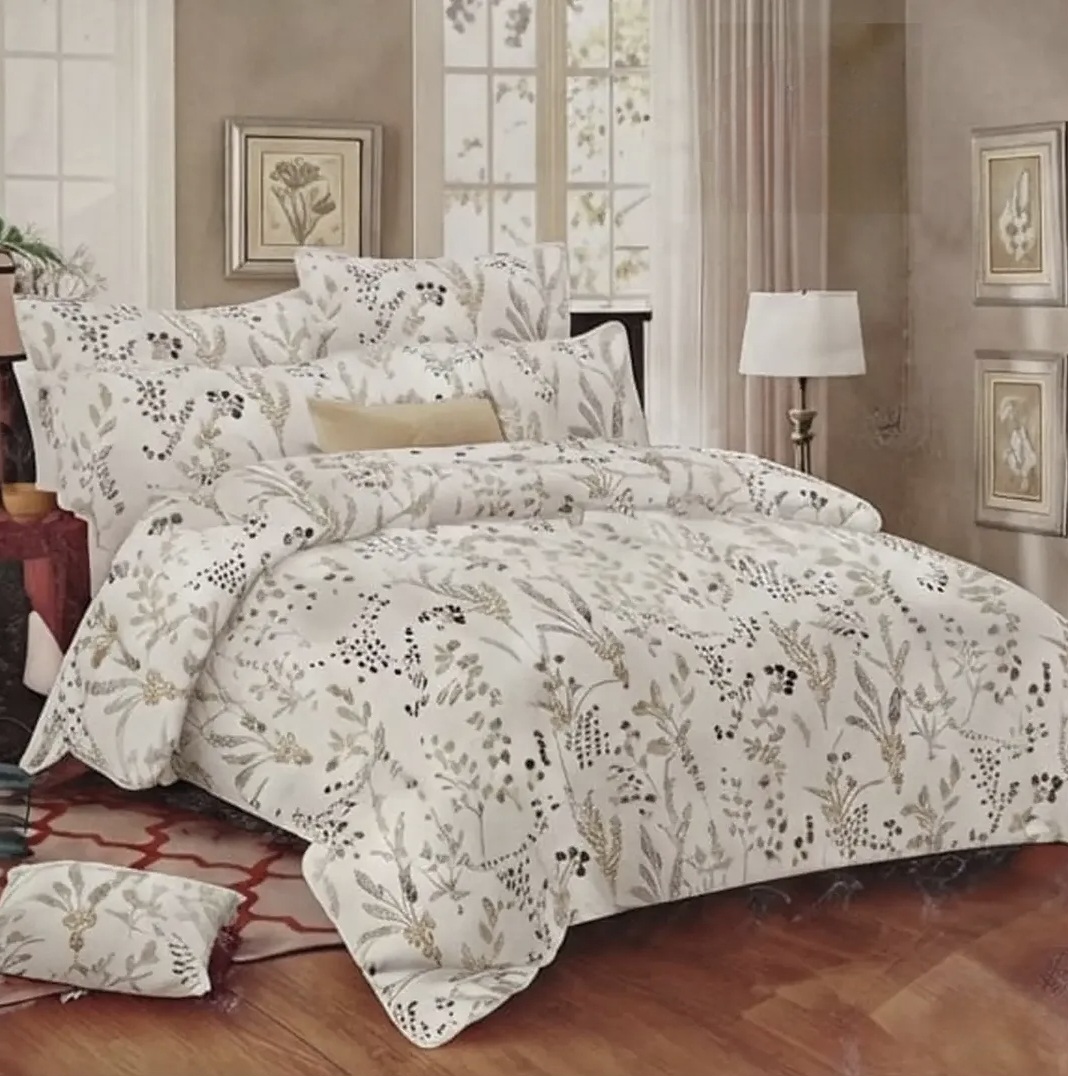
Floral and traditional prints add warmth and personality. They work especially well in rooms with plain walls and minimal furniture.
Geometric patterns feel modern and structured — a good match for contemporary bedrooms.
Dark shades hide stains better, which makes them practical for kids’ rooms or homes with pets.
A simple trick: if your walls and curtains are patterned, go for a solid bedsheet. If everything else is plain, let the bedsheet be the statement piece.
Ready to transform your bedroom? Explore our complete Bedsheets range and find a design that fits your space.
Even excellent sheets wear out fast if they’re washed carelessly. A few habits make a real difference:
Washing your sheets every one to two weeks is a reasonable rhythm for most households — more often in summer or if you sweat at night.
A practical rule: two to three sets per bed. One on the bed, one in the wash, one in the cupboard. That way you’re never stuck waiting for laundry, and rotating them spreads out wear so all three last longer.
It’s also worth keeping one nicer set aside for guests or occasions — something in a premium fabric or a more striking print that makes the room feel special when it needs to.
A good bedsheet isn’t a luxury purchase. It’s one of the highest-value upgrades you can make to your home, because you experience it every single night. Better sleep, a better-looking room, and fewer replacements down the line — all from one decision.
Whether you’re setting up a new home, refreshing a tired bedroom, or looking for a thoughtful housewarming gift, the right set makes a difference you’ll notice immediately.
Shop the collection today. Browse our Bedsheets collection and give your bedroom the upgrade it’s been waiting for — with designs, sizes, and fabrics built for everyday Indian homes.
Pure cotton or cotton blends work best for most Indian homes because they’re breathable and handle heat and humidity well. Microfibre is a reasonable option for air-conditioned rooms or cooler months.
Once every one to two weeks is a good standard. Wash more frequently during summer, if you sweat heavily at night, or if pets sleep on the bed.
No. Anything between 200 and 400 is comfortable and durable for daily use. Beyond roughly 600, the number often reflects marketing rather than real improvement — fabric quality and weave matter far more.
Measure your mattress depth before buying and choose a sheet with deep enough corners. Bedsheet grippers or elastic straps also help if your current set is slightly loose.
Two to three sets per bed is ideal — one in use, one being washed, one spare. Rotating between them also helps each set last noticeably longer.
Yes. A quality bedsheet set is a popular housewarming and wedding gift because it’s practical, doesn’t require size guesswork, and works in any home.
Explore more from our Home and Living range, or browse the rest of the store for Women’s Fashion and Kids Fashion essentials.
Tags