Why Organic Cotton Matters for Your Baby’s Skin

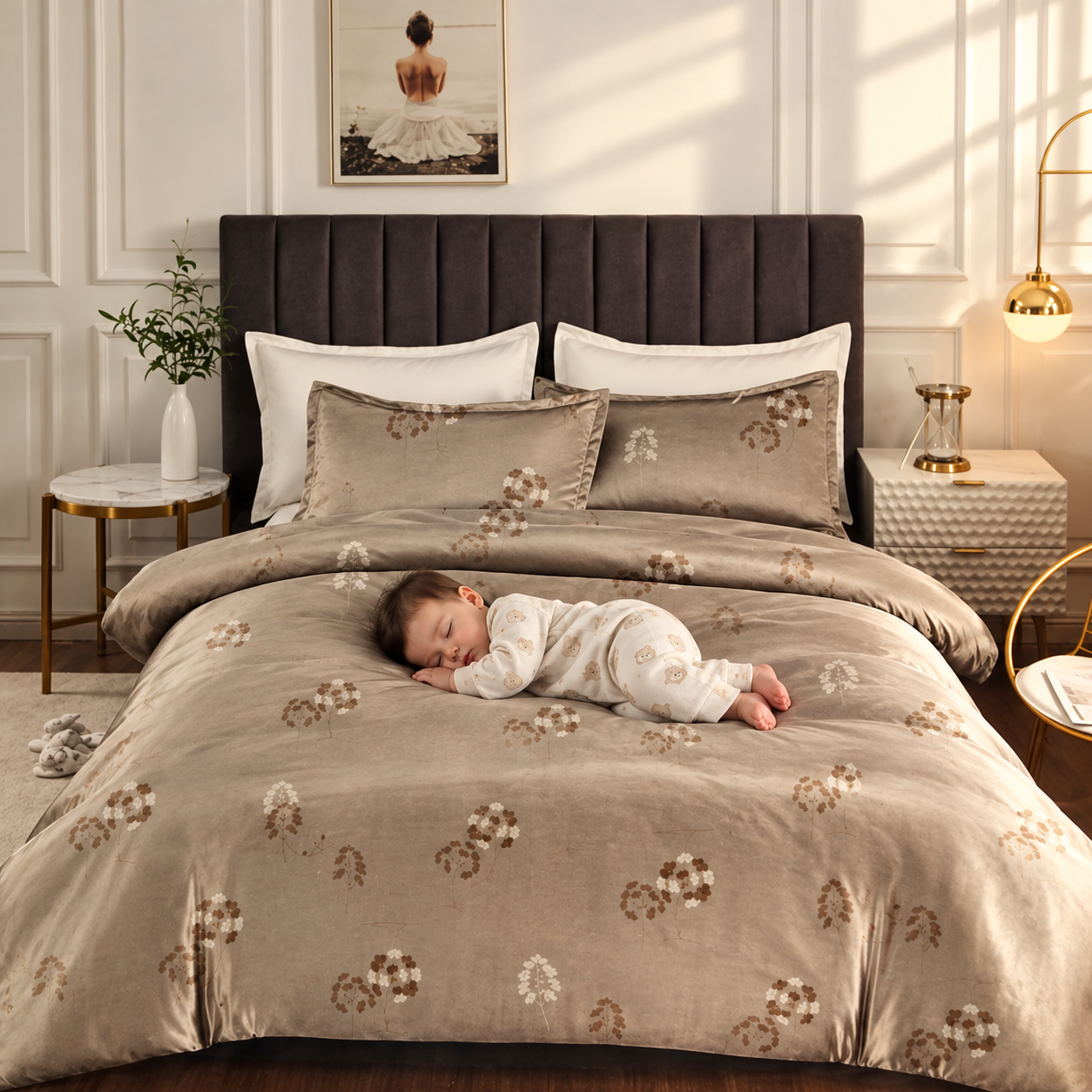
Elegant beige floral bedding set with a sleeping baby in a cozy bedroom

Organic vs. Conventional Cotton: What's Really Touching Your Baby's Skin?

A newborn's skin is up to five times thinner than an adult's. It's still learning how to regulate temperature, lock in moisture, and protect itself from the outside world. That's exactly why what touches your baby's skin — from onesies to bedsheets — matters so much more than most parents realize.At Top Trends 727, this isn't just a talking point. It's why we searched for GOTS-certified organic cotton in its purest form, free from the harsh chemicals used in conventional cotton farming and processing. Here's what that actually means, and why it's worth caring about.

What Makes Cotton "Organic"?

Organic cotton is grown without synthetic pesticides, herbicides, or fertilizers. But growing is only half the story — how the cotton is processed into fabric matters just as much.GOTS (Global Organic Textile Standard) is the gold standard here. It certifies that a fabric is organic from farm to finished product, covering:No toxic dyes, bleaches, or finishing agentsNo child labor or exploitative practices in the supply chainEnvironmentally responsible water and energy useFull traceability at every stage of productionA "cotton" or "natural fiber" label alone doesn't guarantee any of this — only a GOTS certification does.

Why It Matters More for Babies Than Adults

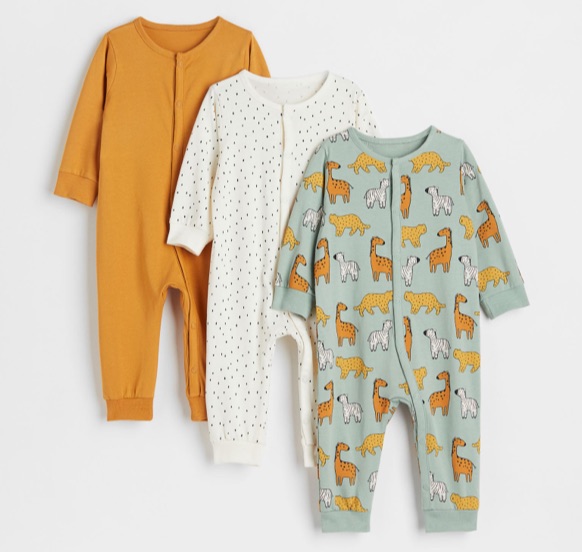
Baby skin doesn't just touch what it wears — it absorbs it. Residual chemicals from conventional cotton processing (like formaldehyde-based finishes, azo dyes, and pesticide residue) can be absorbed more readily through a baby's thinner, more permeable skin.Common effects parents report from non-organic fabrics next to sensitive skin include:Redness, rashes, or irritation with no obvious causeWorsened eczema flare-upsGeneral fussiness that improves after switching fabricsOrganic cotton removes that guesswork. It's softer on first wear (no harsh chemical finishing needed to "smooth" the fiber), breathes better, and tends to hold up wash after wash without stiffening or pilling.

Organic Cotton vs. Conventional Cotton: A Quick Comparison

Conventional CottonGOTS-Certified Organic CottonPesticides/herbicidesCommonly usedProhibitedChemical dyes & bleachesOften usedRestricted to non-toxic alternativesWater usageHigh, often less regulatedMonitored and reducedSkin feelCan be stiffer, chemically finishedNaturally soft, breathableDurabilityProne to pilling, fadingWash-tested to resist shrinking and fading
How to Choose Organic Baby Clothing and Bedding

If you're shopping for your little one, here's what to actually check before buying:Look for the GOTS label specifically — not just "organic" or "natural," which aren't regulated terms on their own.Check the fabric weight for the season — lightweight organic cotton for summer, brushed or fleece-lined organic cotton for cooler months.Choose wash-tested pieces — organic doesn't automatically mean durable; look for fabrics tested against shrinking, pilling, and fading.Don't stop at clothing — bedsheets, swaddles, and blankets spend hours against your baby's skin too, often more than clothing does.

Our Promise

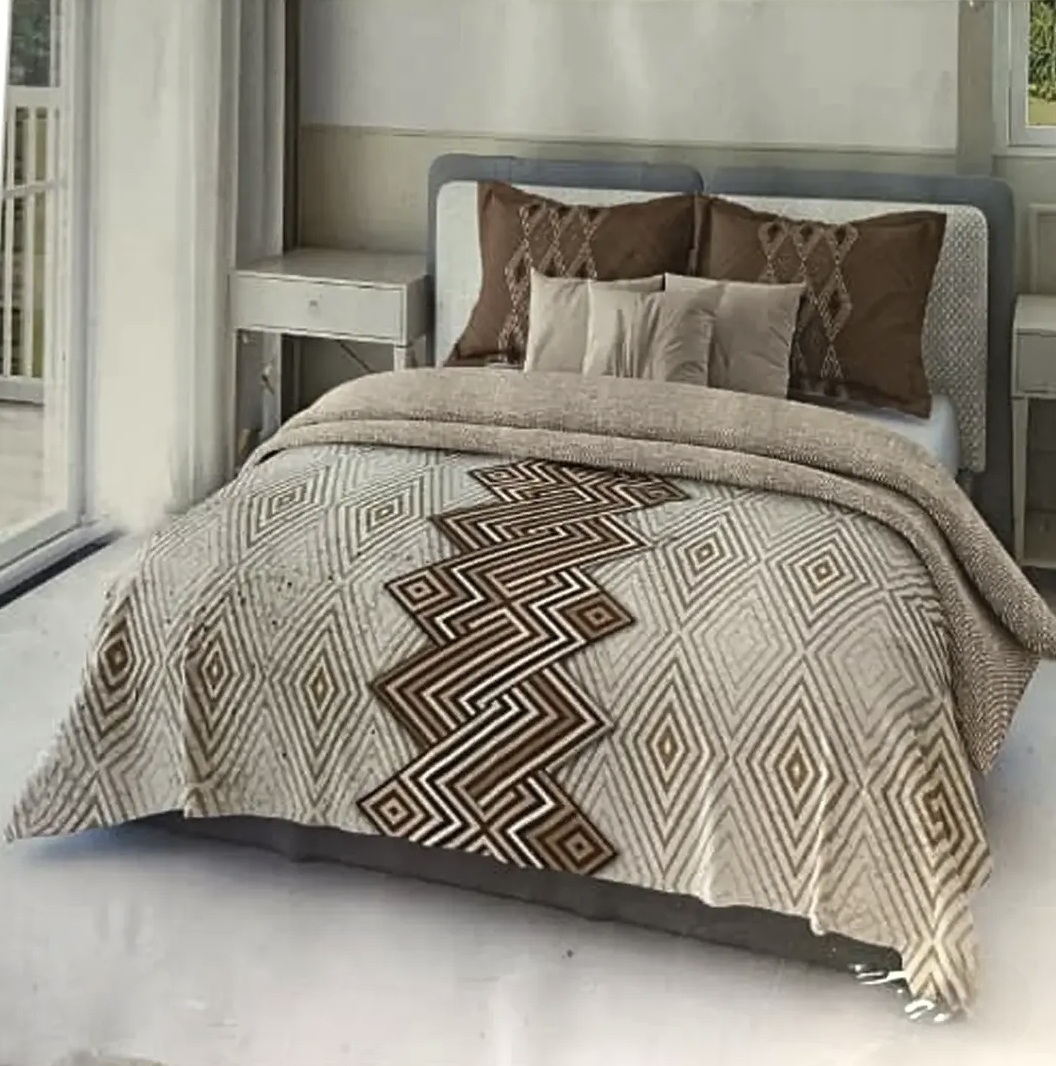
Elegant beige and brown geometric patterned bedspread with matching decorative pillows

We're a team that's 95% women and 80% moms — which means every product decision starts with the same question we'd ask for our own kids: would I put this against my baby's skin?That's why our organic cotton collection is:Soft as a cloud — gentle enough for skin-to-skin comfortEarth-friendly — GOTS-certified, with none of the harsh chemical processingMade for real life — wash-tested fabrics that won't shrink, pill, or fade

Shop the Collection

Ready to feel the difference? Explore our organic cotton baby clothing and bedsheets, and give your little one the softness their skin deserves.

Tags

What do you think?